resources
Factors That Affect Home Value
Understanding what influences your property's appraisal
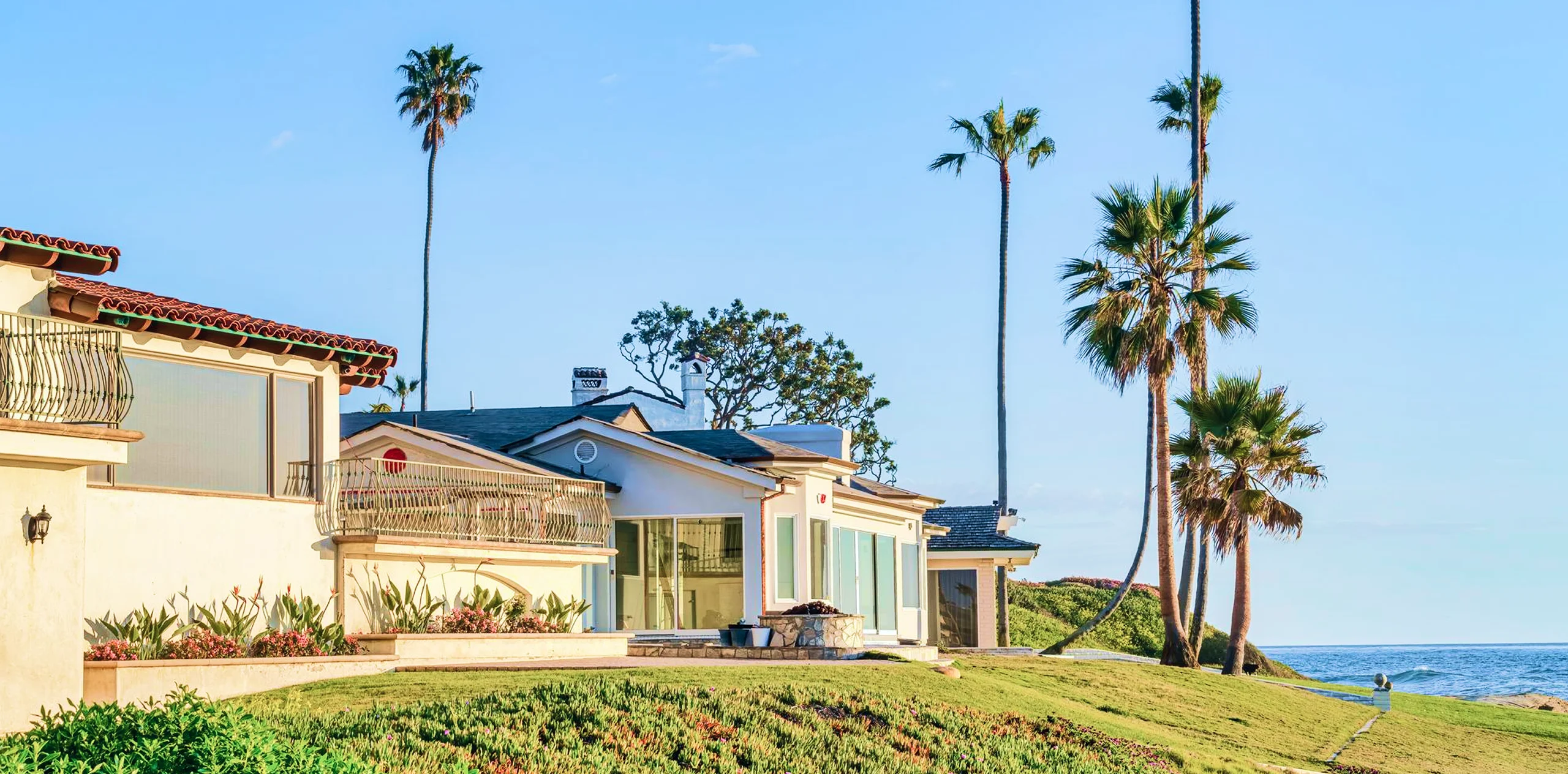
Understanding Property Valuation
When determining a property's market value, appraisers analyze numerous factors that influence what a buyer would pay in the current market. While every property is unique, certain elements consistently impact valuation across all residential real estate.
Understanding these factors helps homeowners make informed decisions about improvements, pricing, and when to sell or refinance their property.
Location, Location, Location
Location is often the single most important factor in property valuation. It's the one thing you cannot change about a property.
Neighborhood Quality
Desirable neighborhoods with well-maintained homes, low crime rates, and strong community amenities command premium prices. The overall character and reputation of an area significantly impact individual property values.
School Districts
Properties in highly-rated school districts typically appraise for more than comparable homes in lower-rated districts. School quality affects value even for buyers without children, as it impacts resale potential.
Proximity to Amenities
Distance to shopping, dining, entertainment, parks, public transportation, and employment centers affects value. Generally, convenient access to amenities increases property worth.
View and Setting
Properties with desirable views (water, mountains, city skylines) or private settings command premium prices. Conversely, properties backing to busy roads, commercial areas, or power lines may see reduced value.
Lot Position
Corner lots, cul-de-sac locations, and homes at the end of quiet streets often appraise higher than those on busy through-streets. Privacy and reduced traffic are valuable features.
Property Characteristics
Size and Square Footage
Both lot size and living space square footage directly impact value. Larger homes generally appraise higher, though per-square-foot value may decrease as size increases.
- Gross living area (GLA)
- Finished vs. unfinished space
- Lot size and usable yard space
Age and Condition
Newer homes typically appraise higher, but well-maintained older homes can compete effectively. Condition matters more than age alone.
- Overall maintenance level
- Recent updates and renovations
- Deferred maintenance issues
Bedrooms and Bathrooms
More bedrooms and bathrooms generally increase value, but functionality and appropriate ratios matter. A 4-bedroom, 1-bathroom home is less desirable than one with more balanced bathroom count.
- Number and size of bedrooms
- Full vs. partial bathrooms
- Primary suite amenities
Layout and Floor Plan
Functional, modern floor plans that match current buyer preferences add value. Open concepts, good flow, and practical design are highly valued.
- Open vs. closed floor plan
- Single-level vs. multi-story
- Room sizes and proportions
Quality and Features
Construction Quality
The quality of original construction and materials used affects long-term value and appraisals.
Foundation
Concrete slab, raised foundation, basement type
Framing
Quality of structural components and materials
Roof
Type, age, condition, and remaining life
Interior Finishes
Upgraded finishes and high-quality materials contribute positively to appraised value.
- Kitchen quality (cabinets, countertops, appliances)
- Flooring types and condition
- Built-in features and custom work
- Bathroom finishes and fixtures
- Window quality and energy efficiency
- Interior paint and finishes
Systems and Mechanicals
The condition, age, and efficiency of home systems impact value significantly.
- HVAC system age and type
- Plumbing materials and condition
- Energy-efficient upgrades (solar, insulation)
- Electrical system capacity and safety
- Water heater type and efficiency
- Smart home technology
Important: An Appraisal Is Not a Substitute for an Inspection
A property can appraise at full value while having significant defects that would be revealed in a home inspection. Never skip the inspection thinking the appraisal covers condition assessment—it doesn't.
Desirable Features and Upgrades
High-Value Additions
- Additional Bedrooms/BathroomsProperly permitted additions that increase livable space
- Finished BasementAdditional living space with proper finishes and egress
- Garage and ParkingAttached garage, additional parking, or EV charging
- Outdoor Living SpacesDecks, patios, outdoor kitchens, and landscaping
- Swimming PoolCan add value in appropriate markets and climates
Factors That May Decrease Value
- Deferred MaintenanceVisible neglect, needed repairs, and outdated systems
- Unpermitted WorkAdditions or renovations without proper permits
- Functional ObsolescencePoor layout, inadequate storage, or dated design
- External FactorsAdjacent to busy roads, commercial properties, or nuisances
- Over-ImprovementUpgrades that exceed neighborhood standards
Market Conditions and Comparable Sales
Recent Comparable Sales
The most important factor in the sales comparison approach is what similar properties have recently sold for in your area. Appraisers typically use sales from the past 3-6 months.
What Makes a Good Comparable?
- Similar size (within 10-20% of subject property)
- Same neighborhood or similar area
- Similar age, condition, and quality
- Comparable bedroom/bathroom count
- Sold recently (typically within 3-6 months)
- Arms-length transaction (not distressed or between family)
Economic Factors
Broader economic conditions influence local real estate values:
- Interest rates and mortgage availability
- Population trends and migration patterns
- Local regulations and zoning changes
- Local employment and job growth
- New construction and development
- Seasonal market fluctuations
Market Trends
Current market conditions significantly influence property values. Appraisers consider whether the market is appreciating, stable, or declining.
Seller's Market
Low inventory, high demand, rising prices, properties selling quickly above asking
Balanced Market
Normal inventory levels, moderate demand, stable prices, reasonable negotiation
Buyer's Market
High inventory, lower demand, declining prices, longer days on market
Return on Investment for Improvements
Not all improvements return their full cost in added value. Here's what typically provides the best ROI:
High ROI Improvements (60-80%+ return)
- Minor kitchen remodel
- Fresh paint (interior and exterior)
- New garage door
- Bathroom upgrades
- Landscaping and curb appeal
- Deck or patio addition
Moderate ROI Improvements (50-70% return)
- Window replacement
- Siding replacement
- Energy-efficient upgrades
- Roof replacement
- Hardwood floor refinishing
- Insulation improvements
Lower ROI Improvements (30-50% return)
- Upscale kitchen remodel
- Swimming pool installation
- Extensive landscaping
- Luxury bathroom addition
- High-end specialty rooms
- Home automation systems
Important Note on Over-Improvement
Be cautious about over-improving your property beyond what's typical for your neighborhood. A $200,000 kitchen in a neighborhood where homes sell for $400,000 may not return its value, while the same kitchen in a $1,500,000 home market might be expected and appreciated.
Key Takeaways
The Appraisal Will:
- Location is the most important factor and cannot be changed
- Recent comparable sales are the foundation of appraisal valuation
- Well-maintained homes in good condition appraise higher than neglected properties
- Not all improvements return their full cost–choose wisely based on neighborhood norms
- Market conditions and timing significantly impact value
- Quality of construction and finishes matter more than quantity of upgrades
- Stay within neighborhood standards to maximize value and ROI
Related Resources

Appraisal Glossary
A comprehensive glossary of appraisal terms and real estate terminology to help you understand your report.
Learn More
What is an Appraisal?
Learn the fundamentals of real estate appraisals, why they're needed, and how they protect both buyers and lenders.
Learn MoreWant to Know Your Home's Value?
Get an accurate professional appraisal that considers all value factors specific to your Bay Area property